If you are thinking about living in Long Beach, you are probably asking a bigger question than just where to live. You are trying to picture your day-to-day life, your commute, your weekends, and the kind of neighborhood that feels right for you. Long Beach stands out because it offers a rare mix of urban energy, coastal access, historic character, and distinct neighborhood identities. This guide will help you understand how the city feels, what makes each area different, and how to think about finding the right fit. Let’s dive in.
Why Long Beach draws so much interest
Long Beach is one of Southern California’s largest coastal cities, with an estimated population of 450,469 in 2025. It is also a city with real variety in how people live, from waterfront districts and beach communities to inland neighborhoods shaped by parks, campuses, and historic homes.
The city’s housing mix reflects that range. Census data shows a median gross rent of $1,871, a median owner-occupied home value of $806,600, and an owner-occupied housing rate of 41.2% based on 2020 to 2024 ACS data. In practical terms, that means Long Beach supports both a sizable rental market and a substantial base of owner-occupied homes.
Long Beach is also notably diverse. Census QuickFacts reports that 43.8% of residents identify as Hispanic or Latino, 24.8% are foreign-born, and 44.7% speak a language other than English at home. That diversity shows up in everyday life, from food and arts to neighborhood business districts and community events.
Long Beach lifestyle at a glance
One of the best ways to understand Long Beach is to think of it as a collection of lifestyle zones rather than one single experience. Some parts feel dense and urban, some feel classically coastal, and others feel more residential with strong access to parks, local businesses, or campus areas.
You also get a lot of public amenities woven into daily life. The city reports 166 parks, 26 community centers, six miles of beaches, and the nation’s largest municipally operated marina system with 3,100 boat slips. For many buyers and renters, that mix is part of Long Beach’s appeal because it supports both active weekends and everyday convenience.
Downtown Long Beach living
Urban energy and waterfront access
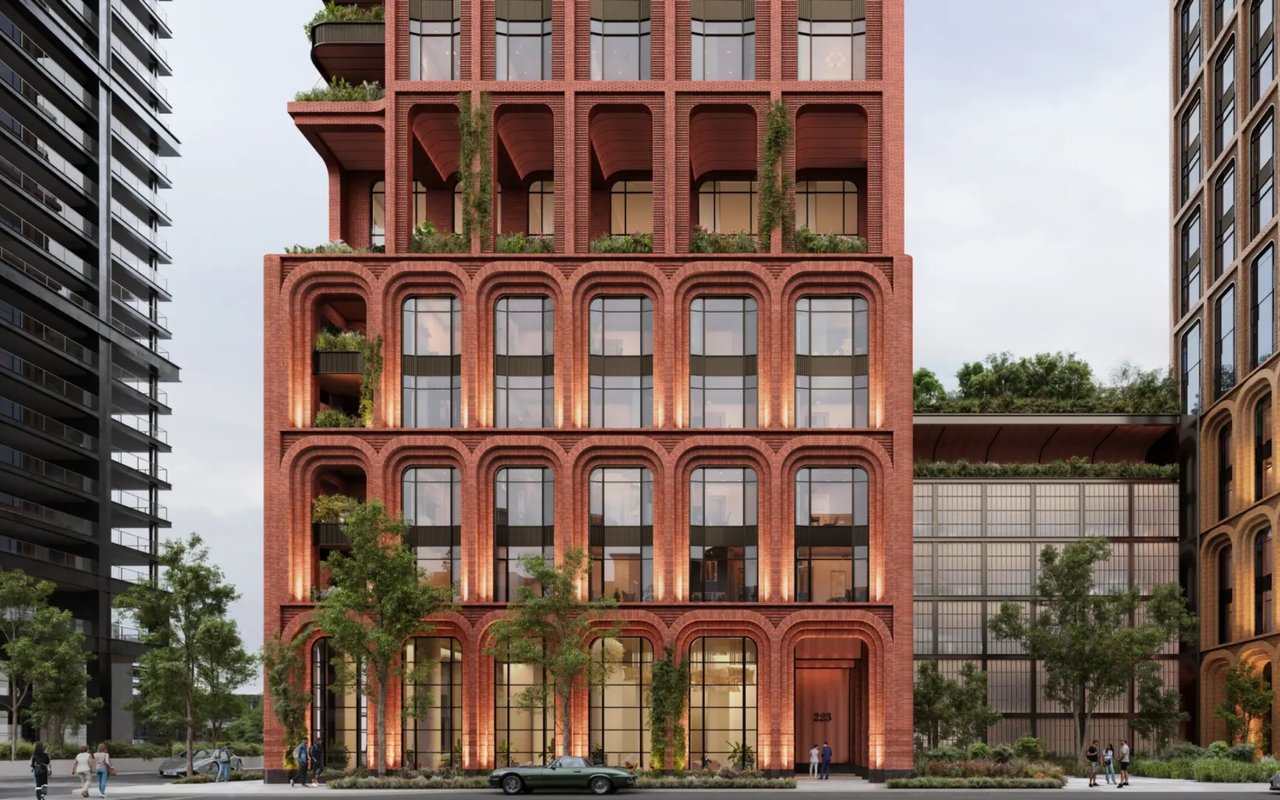
Downtown Long Beach is the city’s most urban and mixed-use environment. It brings together major attractions, business corridors, residential buildings, and waterfront public spaces in a way that feels active throughout the week.
This area includes the Long Beach Convention & Entertainment Center, Shoreline Village, the Aquarium of the Pacific, and the Rainbow Harbor Esplanade. Visit Long Beach also notes that Downtown has more than 180 restaurants, with Pine Avenue serving as a well-known dining corridor.
If you want a neighborhood where you can be close to restaurants, events, and harbor activity, Downtown often stands out. The tradeoff is that it feels busier and more built up than the city’s lower-density coastal neighborhoods.
East Village Arts District feel
Within the broader Downtown area, the East Village Arts District adds a different texture. It is known for galleries, restaurants, and restored historic buildings, giving part of the urban core a more creative and neighborhood-driven feel.
For some buyers, that mix of older character and city energy is a major plus. If your ideal setting includes walkable blocks, cultural spaces, and a more eclectic streetscape, this part of Long Beach may be worth a closer look.
Belmont Shore and Naples coastal life
Classic beach-town atmosphere
Belmont Shore and Naples are often what people picture when they imagine a classic Southern California coastal neighborhood. Visit Long Beach describes them as seaside communities known for sandy beaches, calm lagoons, picturesque canals, boardwalks, and a 15-block stretch of shopping, dining, and entertainment along Second Street.
These neighborhoods are closely tied to outdoor living. Swimming, sunbathing, and water sports are all part of the local rhythm, and the built environment tends to feel more residential than Downtown’s denser core.
If you want a stronger beach-town identity with local business activity nearby, Belmont Shore and Naples often rise to the top of the list. They offer a coastal lifestyle that feels active without reading as purely tourist-oriented.
Arts, retail, and neighborhood corridors
Retro Row and Fourth Street character
Retro Row is a three-block stretch on Fourth Street between Cherry and Junipero that is known for vintage and retro shops, independent retail, cafés, restaurants, and the restored Art Theatre. It has a distinct local-business feel and tends to appeal to people who value character over sameness.
If your ideal neighborhood includes independent storefronts and a more creative street scene, this corridor can be especially appealing. It adds to Long Beach’s reputation as a city where smaller commercial districts help define everyday life.
Broadway Corridor momentum
The Broadway Corridor stretches from east of Downtown toward Belmont Shore and is described as an emerging business area. New businesses and restored storefronts and homes sit alongside restaurants, coffee shops, and specialty stores.
This part of the city can appeal to people who like areas in transition that still retain older architectural texture. It is also noted as the first neighborhood in Long Beach to feature rainbow crosswalks, which reflects the city’s visible and distinct local identity.
Bixby Knolls and Uptown appeal
A few miles north of Downtown, Bixby Knolls is known for its restaurants, retail, cultural sites, and recurring community events such as First Fridays. The area also includes Rancho Los Cerritos, the Richard Goad Theater, the Long Beach Historical Society Museum, and a notable concentration of brewpubs.
North Long Beach’s Uptown area has also grown in popularity through dining, public spaces, community gathering points, and outdoor spaces, with Uptown Commons serving as a focal point. These areas can be a fit if you want neighborhood business activity outside the coastal core.
East Long Beach and park-centered living
East Long Beach has a different feel from the waterfront and arts corridors. It is shaped more by campuses, major parks, and open space, including California State University, Long Beach, Long Beach City College, Stearns Park, El Dorado Regional Park, the El Dorado Nature Center, and the Earl Burns Miller Japanese Garden.
For many people, this part of the city feels more centered on green space and institutional anchors than on tourism or nightlife. If you are looking for a neighborhood experience tied more closely to parks and larger community amenities, East Long Beach may be a strong option.
Culture and attractions that shape daily life
Long Beach is not just a beach city. It has a strong cultural identity supported by museums, arts institutions, and recurring neighborhood events.
The Museum of Latin American Art is the pioneering U.S. museum dedicated to modern and contemporary Latin American and Latinx art. The Long Beach Museum of Art sits on the Ocean Boulevard bluff and offers exhibitions, educational programs, and ocean views, while the Arts Council for Long Beach serves as the city’s arts council and cultural resource.
The city’s major attractions also influence how it feels to live there. The Aquarium of the Pacific is the largest aquarium in California and sits at Rainbow Harbor, while the Queen Mary remains one of the harbor’s most recognizable landmarks as a hotel, museum, and event space.
Long Beach also has recurring events that give different neighborhoods their own rhythm. The Acura Grand Prix of Long Beach draws about 190,000 fans and transforms downtown streets into a major motorsports festival. Smaller recurring events like East Village’s Second Saturdays and Bixby Knolls’ First Fridays reinforce the idea that Long Beach runs on multiple neighborhood calendars, not just one citywide identity.
Coastal life and getting around
Beaches, bike paths, and marina access
Long Beach’s coastline is built for everyday use, not just occasional visits. The Shoreline Pedestrian/Bicycle Path runs 3.1 miles from Alamitos Avenue to 54th Place, creating a highly usable stretch for walking, biking, and enjoying the waterfront.
Alamitos Beach serves as the western entry point to the city’s beach stretch and includes volleyball courts, rentals, a wide sandy area, and gentle waves sheltered by the port and breakwater. The Long Beach Shoreline Marina adds 1,764 slips and supports year-round sailing conditions with access to open water and Catalina.
The city also reports more than 60 miles of off-road Class I bike paths within its boundaries. For buyers who prioritize outdoor access and active transportation, that can be a meaningful quality-of-life factor.
Transit and regional access
Long Beach also offers several ways to connect with the broader region. Metro’s A Line links Long Beach to Downtown Los Angeles, which can matter if you want rail access in addition to driving options.
Long Beach Airport is another practical advantage. The city notes that it is California’s oldest municipal airport, and for many residents, having a local airport nearby adds convenience for work trips and personal travel.
Historic districts and housing character
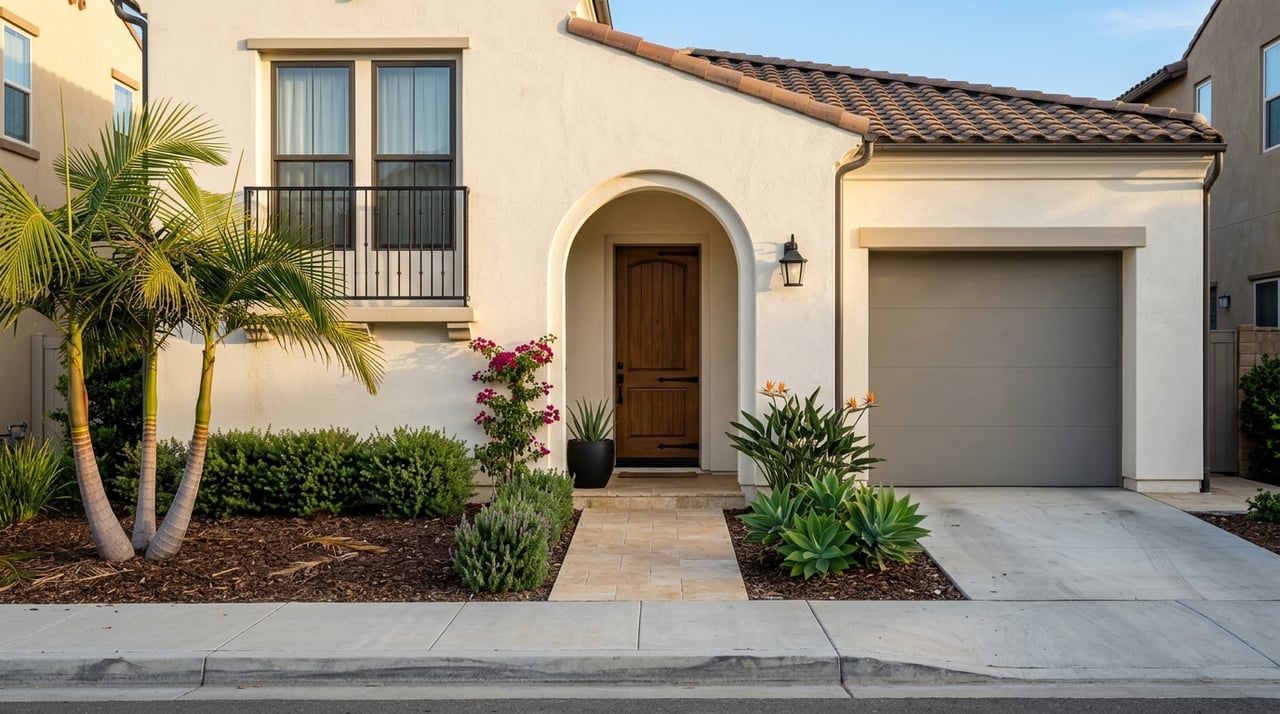
One of Long Beach’s biggest strengths is the variety in its housing stock. The city has 18 designated historic districts, defined as neighborhoods with older, largely unaltered houses that preserve the visual qualities and ambience of the past.
That history is visible across several well-known areas. Belmont Heights dates to 1905 and is noted for Craftsman homes, while Bluff Park features large two-story Craftsman bungalows and Period Revival homes on the ocean bluffs.
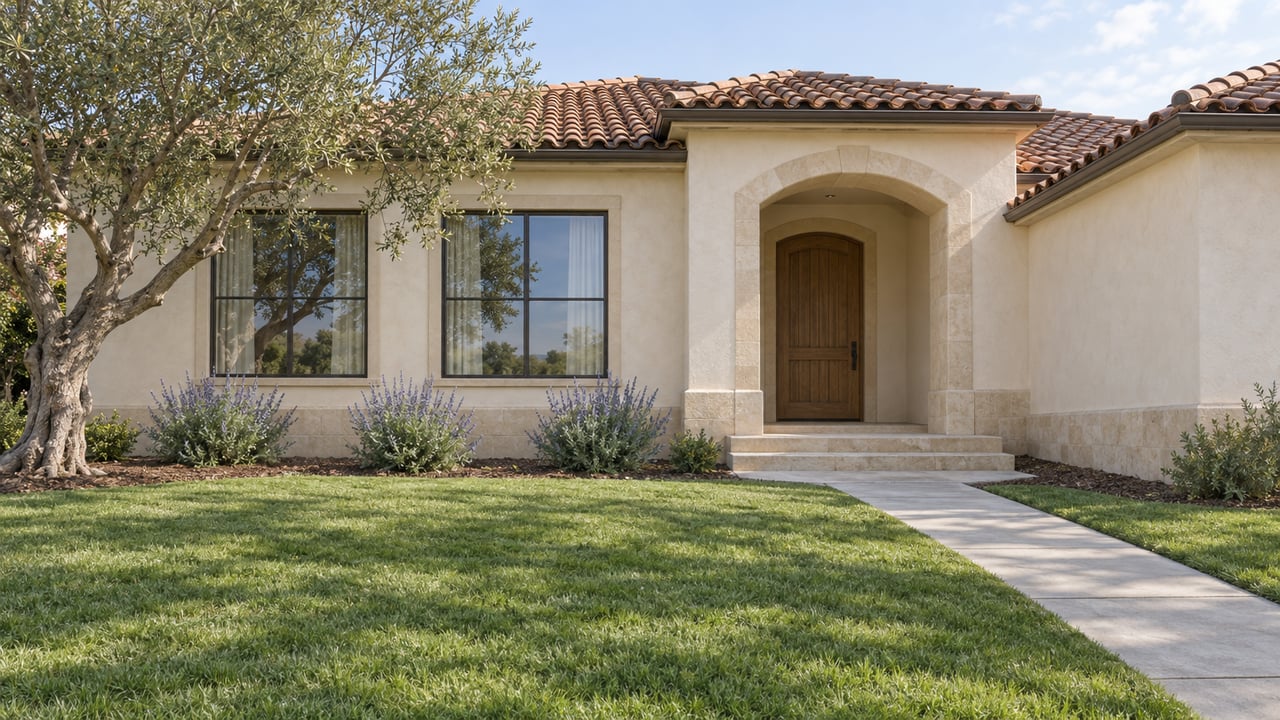
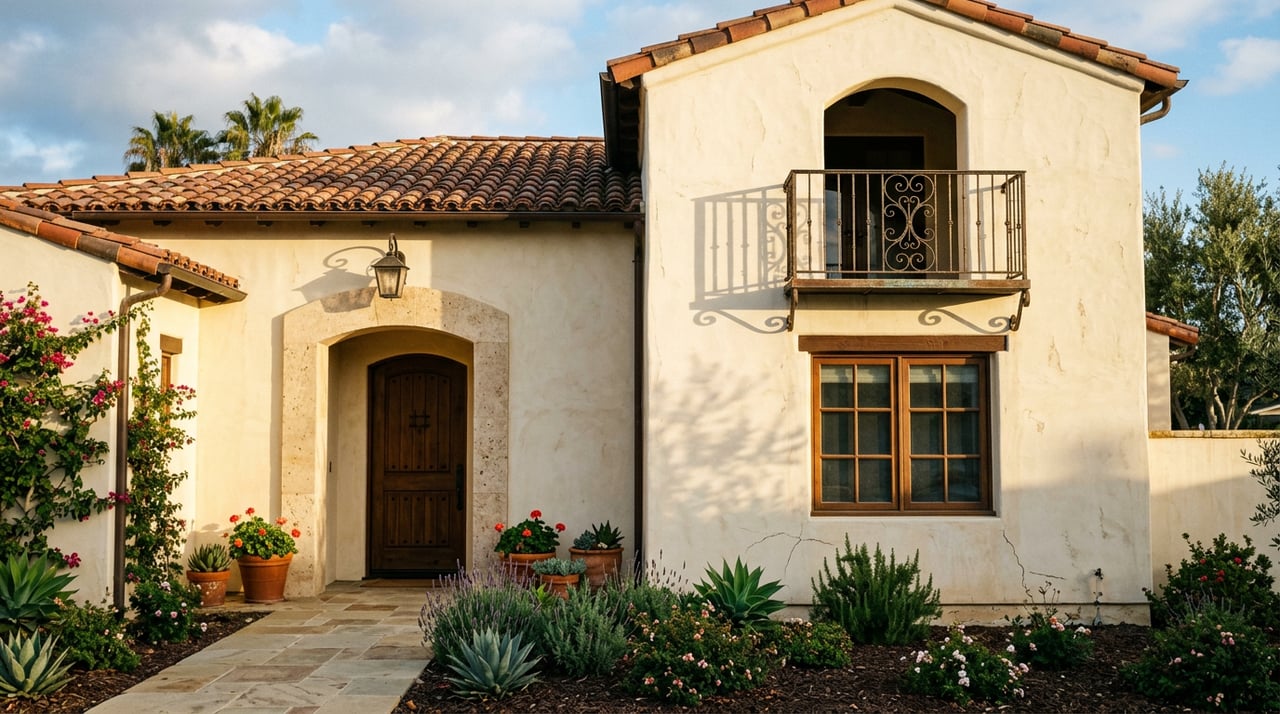
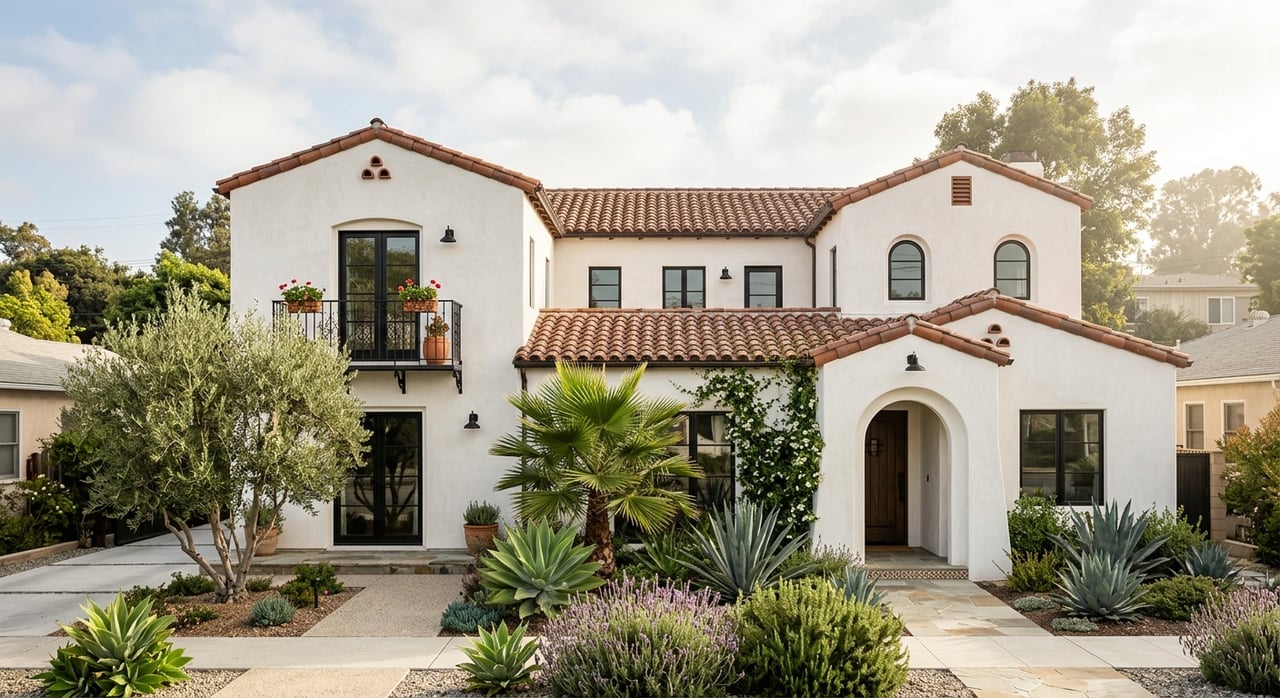
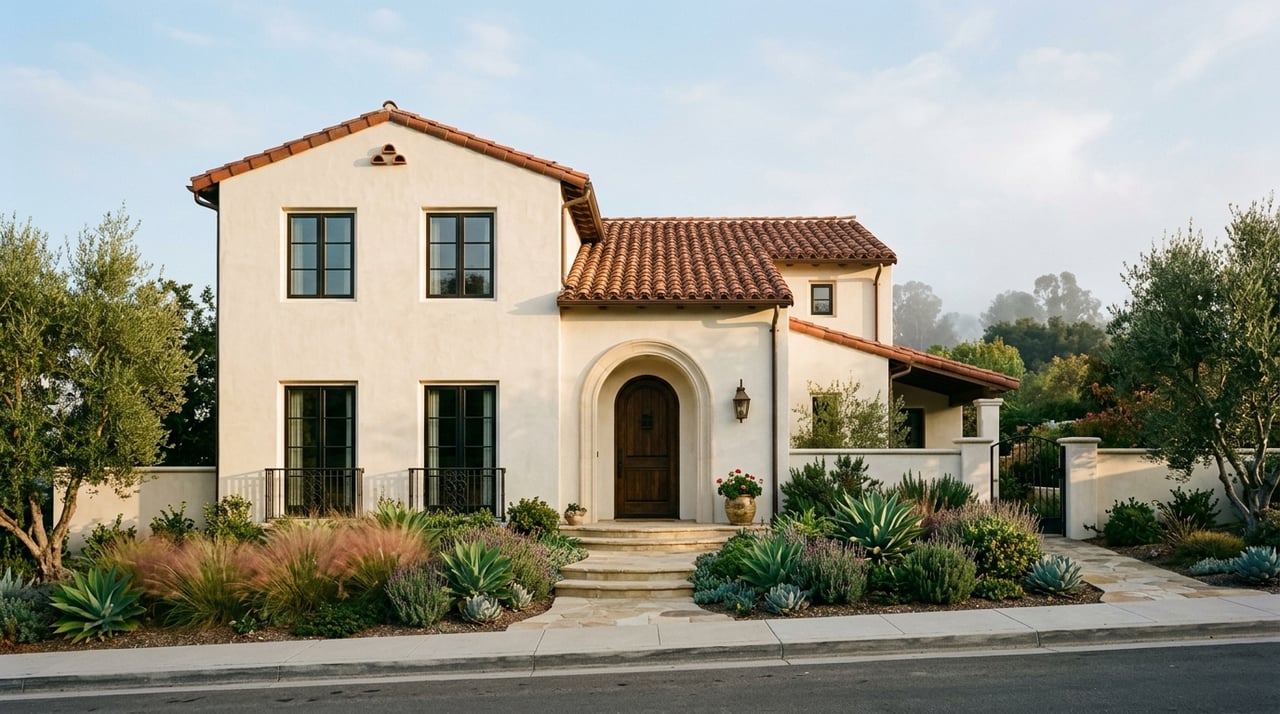
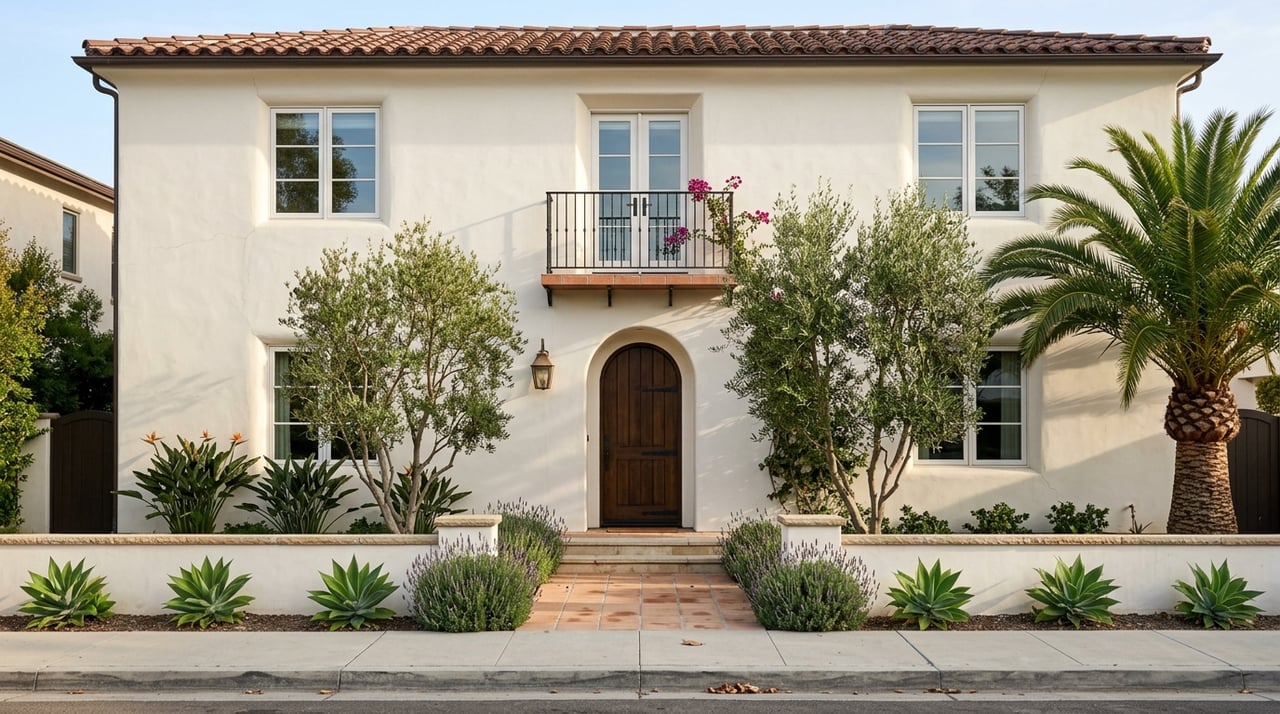
California Heights is the city’s largest historic district, with nearly 1,500 homes and a Spanish Colonial Revival core. Rose Park is one of the city’s oldest and largest bungalow neighborhoods, and Drake Park/Willmore City contains the city’s highest concentration of early 1900s housing.
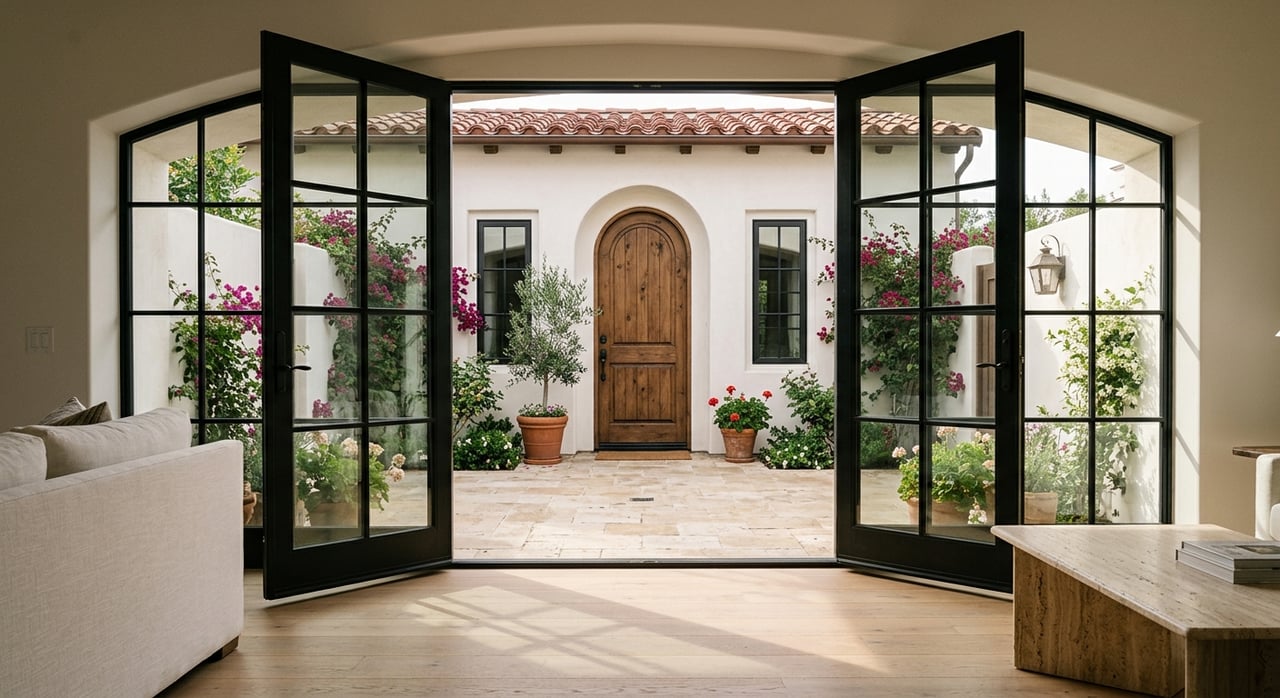
Wrigley and the Grant Neighborhood add even more variety, including working-class cottages, Spanish Colonial Revival, Ranch, and Storybook or English Revival styles. If you care about architecture and neighborhood feel, Long Beach offers a much wider range than many people expect.
How to choose the right Long Beach neighborhood
When you are comparing Long Beach neighborhoods, it helps to focus on how you want your days to feel. A waterfront condo near Downtown offers a very different experience from a bungalow in a historic district or a home near East Long Beach parks.
A few questions can help narrow your search:
- Do you want a more urban, mixed-use setting or a quieter residential street?
- How important is beach access for your everyday routine?
- Do you prefer historic housing character or a more contemporary setting?
- Would you rather live near local retail corridors, larger parks, or major cultural attractions?
- How much does regional access through Metro or the airport matter to you?
In a city this layered, neighborhood fit matters as much as square footage or price point. The right move usually comes from matching your priorities to the part of Long Beach that supports them best.
Long Beach offers more than a coastal address. It gives you multiple ways to live, whether you are drawn to the waterfront, historic streets, local business corridors, or park-centered neighborhoods. If you want help thinking through which part of the city aligns with your goals, The FJO Group brings a calm, strategic approach to helping you make the next move with clarity.
FAQs
What is it like living in Downtown Long Beach?
- Downtown Long Beach offers the city’s most urban setting, with waterfront attractions, residential buildings, business corridors, Pine Avenue dining, and access to places like Rainbow Harbor, Shoreline Village, and the East Village Arts District.
What are Belmont Shore and Naples known for in Long Beach?
- Belmont Shore and Naples are known for sandy beaches, calm lagoons, canals, boardwalks, and the Second Street shopping and dining district, giving them a classic coastal neighborhood feel.
Does Long Beach have good outdoor access for everyday life?
- Yes. Long Beach has six miles of beaches, 166 parks, more than 60 miles of off-road Class I bike paths, the 3.1-mile Shoreline Pedestrian/Bicycle Path, and one of the nation’s largest municipally operated marina systems.
What kinds of homes are common in Long Beach neighborhoods?
- Long Beach has a broad mix of housing, including waterfront urban residences, Craftsman homes, bungalows, Spanish Colonial Revival homes, Ranch homes, and other early 20th-century architectural styles across its 18 historic districts.
Is Long Beach a diverse city?
- Yes. Census QuickFacts reports that 43.8% of residents identify as Hispanic or Latino, 24.8% are foreign-born, and 44.7% speak a language other than English at home.
What should you consider before moving to Long Beach?
- It helps to compare neighborhood feel, access to the beach, housing style, nearby parks or business corridors, and regional mobility options like the A Line and Long Beach Airport so you can choose the area that best fits your daily routine.