October brought a wave of cautious optimism to Southern California’s commercial real estate market. After months of volatility, rates began to ease slightly, giving investors a reason to re-evaluate deals that had been on pause. Confidence improved across several asset classes, especially multifamily and adaptive reuse developments, signaling potential momentum as we move into the final stretch of 2025. Now that November is here, investors and developers are focused on how much of this momentum will carry through to the end of the year.
October Recap: A Shift Toward Stability
Throughout October, small but meaningful changes began to take shape.
Rates and Capital Flow: Borrowing costs inched lower, creating new opportunities for acquisitions and refinancing. This minor adjustment had an outsized psychological impact, restoring confidence among both institutional and private investors who had been holding back on major decisions.
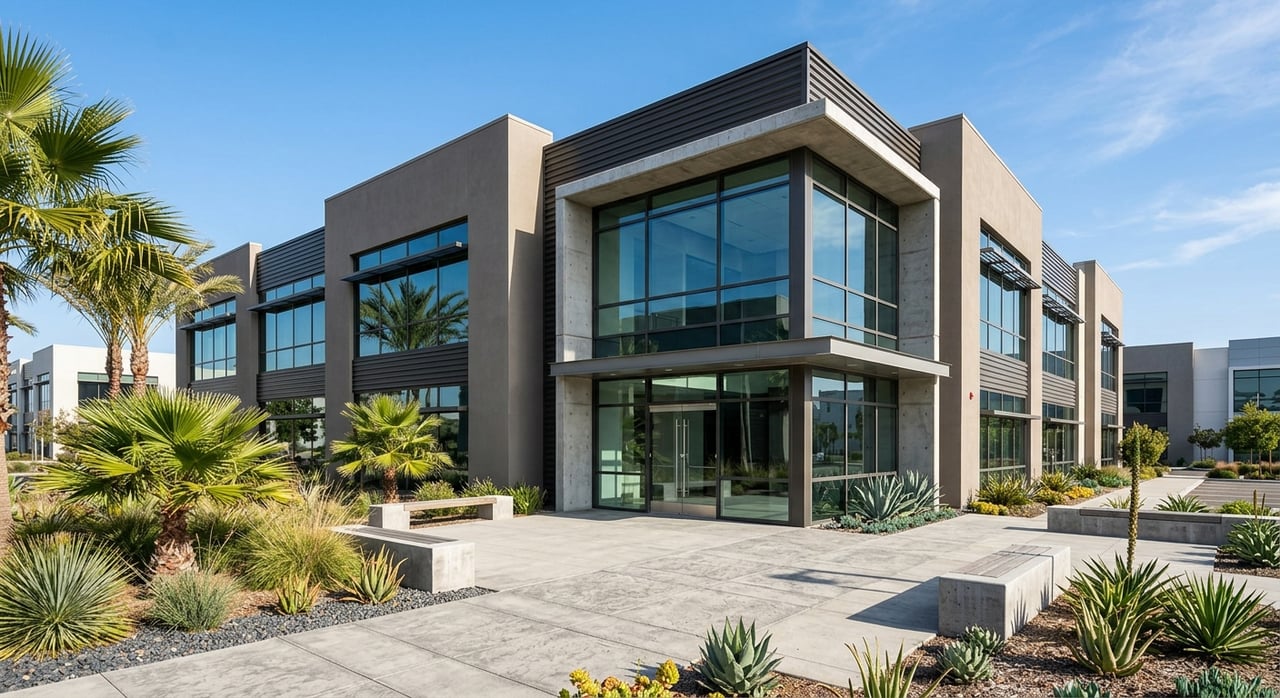
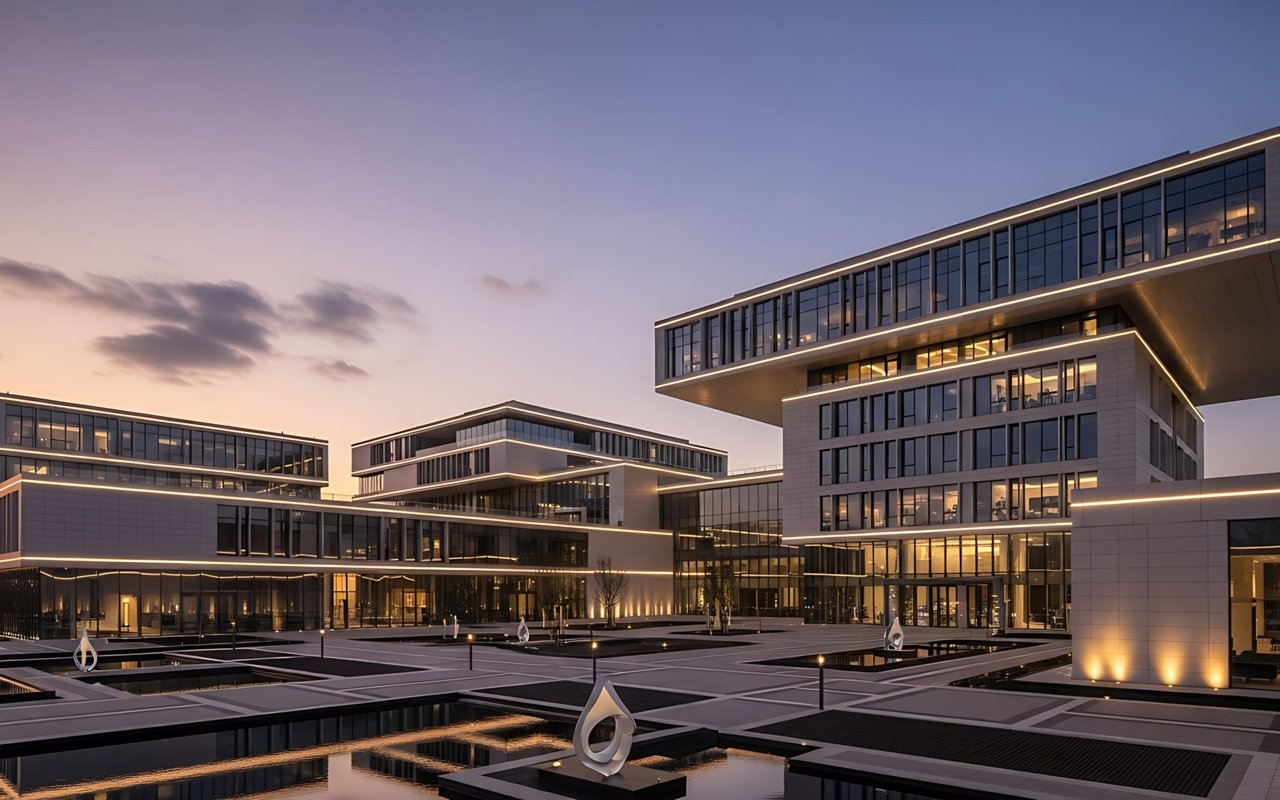
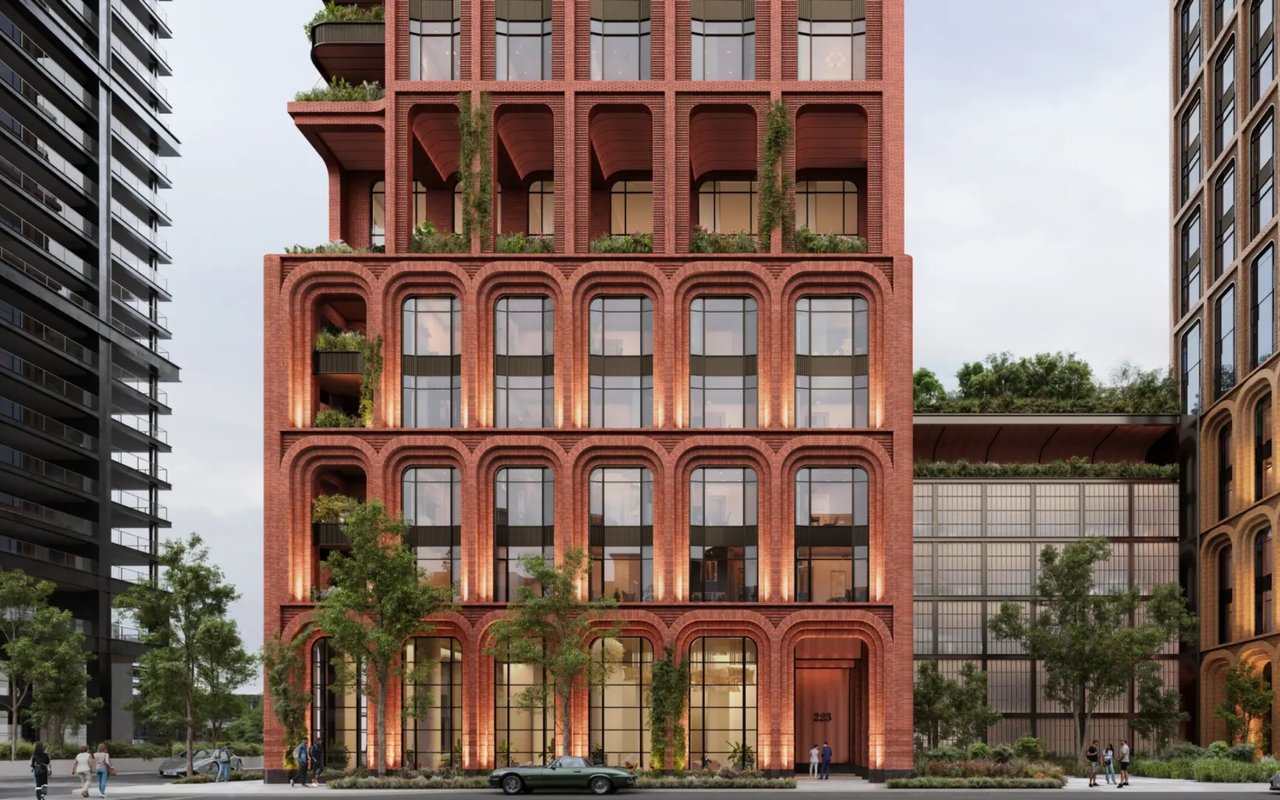
Redevelopment and Adaptive Reuse: Across Los Angeles and Orange County, developers continued transforming underused office properties into retail and mixed-use environments. These projects have become an essential part of the region’s commercial recovery, responding to changing tenant demand and reshaping urban corridors.
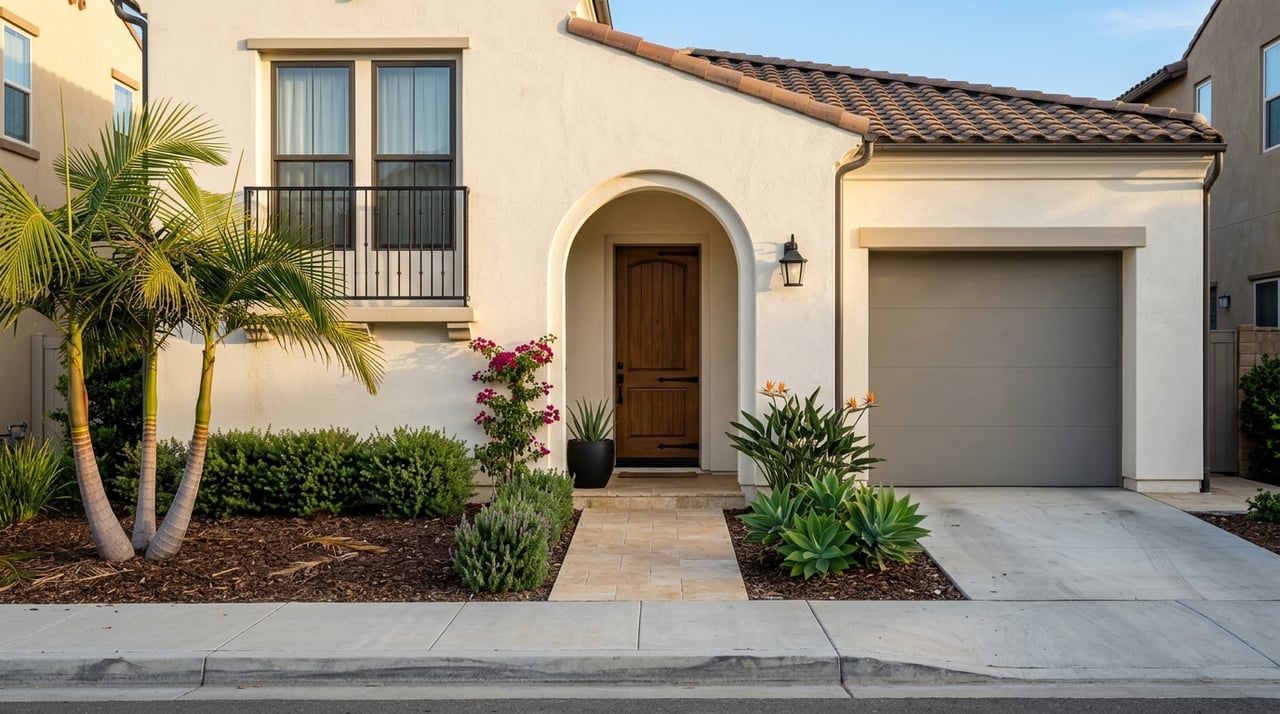
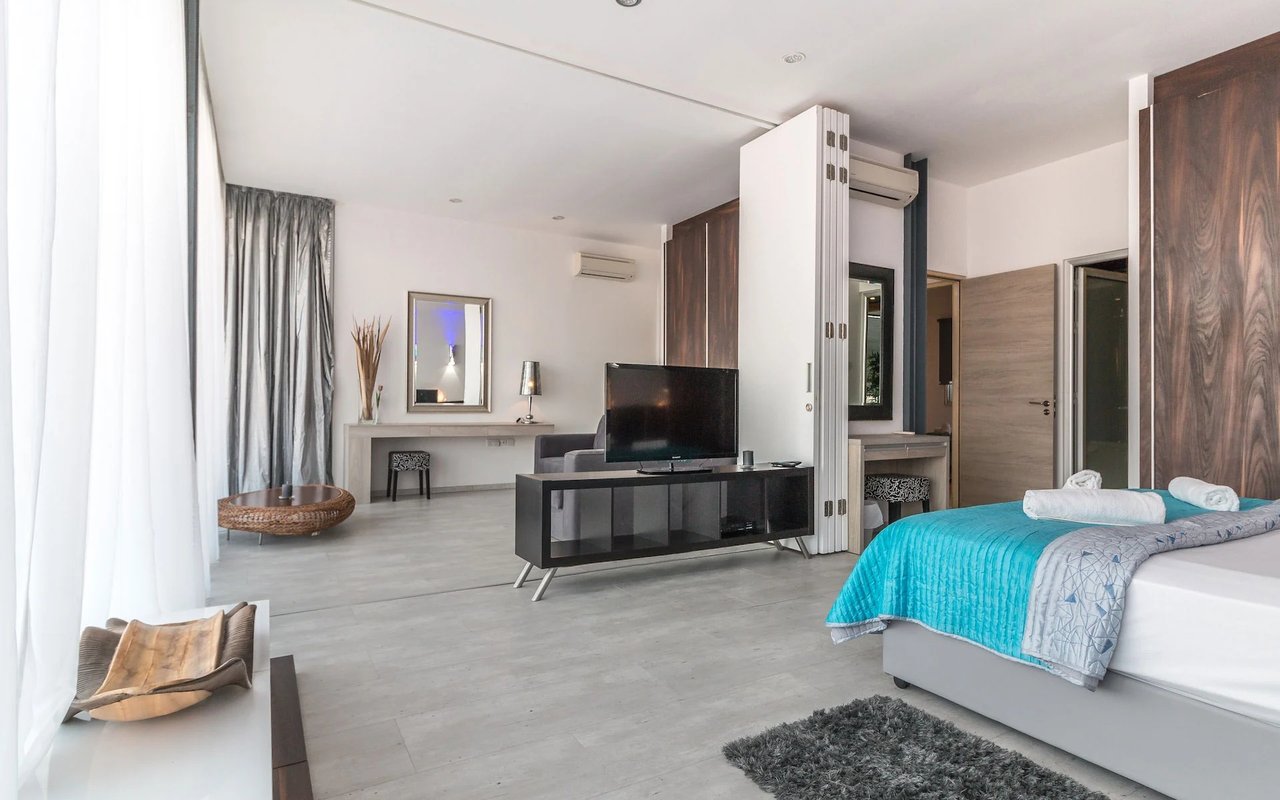
Multifamily Performance: The multifamily market remained one of the most stable segments of 2025. Rent growth leveled out, but demand stayed strong, particularly in suburban and coastal submarkets. Investors prioritized assets with reliable occupancy and long-term yield, favoring cash flow over aggressive short-term returns.
Transactions and Pricing Alignment: Sellers became more flexible with pricing, leading to a modest increase in deal flow. Buyers, in turn, felt more confident re-engaging in negotiations. The result was a healthier balance between expectations on both sides of the table.
What to Expect in November
As we enter November, attention turns to how these trends evolve heading into the new year.
- Continued Focus on Rates. All eyes remain on the Federal Reserve as investors anticipate potential cuts in early 2026. Even small rate shifts can significantly influence valuations, refinancing strategies, and acquisition timing.
- Steady Multifamily Demand. Vacancy rates are expected to remain tight, particularly in markets with strong employment and migration patterns. Investors should watch for slight rent adjustments but no major downturns in occupancy.
- Strategic Acquisitions and Repositioning. Q4 often brings strategic, tax-driven transactions. Expect to see more activity from buyers targeting value-add assets and redevelopment opportunities that can deliver returns over a multi-year horizon.
- Adaptive Reuse and Community-Driven Development. Local municipalities continue supporting adaptive reuse projects that address both commercial and housing needs. Investors with creative redevelopment strategies will be best positioned to capture this momentum.
Looking Ahead
The final months of 2025 are setting the tone for a more active and stable 2026. While uncertainty remains in lending and economic policy, Southern California’s fundamentals continue to attract both domestic and global capital. As confidence rebuilds and new projects take shape, The FJO Group will continue monitoring rate trends, redevelopment initiatives, and submarket performance across Los Angeles, Orange County, and beyond.
Join the Conversation
What trends are you watching as we head into the final weeks of 2025? Share your thoughts on rate movement, investor sentiment, or redevelopment opportunities in your market. Join the conversation on Instagram and connect with us as we track the next phase of Southern California real estate.