Wondering what day-to-day life really feels like in Huntington Beach neighborhoods? The answer depends less on a single ZIP code label and more on how you want to live, drive, and spend your free time. If you are thinking about moving within Orange County or buying in a coastal city, it helps to understand how Huntington Beach changes from the shoreline to inland tracts. Let’s dive in.
Huntington Beach Daily Life
Huntington Beach is a built-out coastal city of about 193,000 people, which means most neighborhoods are already established rather than shaped by large-scale new development. City planning documents show a community with a wide range of housing, from detached homes to condos, apartments, and mixed-use areas.
That variety matters because everyday life can feel very different depending on where you land. A home near the coast may offer a more walkable routine and easier beach access, while a home farther inland may feel more suburban, car-oriented, and parking-friendly.
The city also reflects a balance between housing and open space. Huntington Beach planning documents identify beaches, parks, wetlands, and golf courses as important conserved areas, while housing remains the dominant land use overall.
Beach-Close Neighborhood Routine
If you picture Huntington Beach as a surf-and-sand lifestyle, beach-close areas are where that image feels most real. The city has 9.5 miles of shoreline, including Sunset Beach, Bolsa Chica State Beach, Huntington Beach City Beach, and Huntington State Beach.
In practical terms, that means outdoor recreation can be part of your regular week instead of a special outing. City sources highlight activities such as surfing, swimming, volleyball, walking, running, bicycling, and using beach fire rings.
Housing near Downtown and the coast tends to be denser and more pedestrian-oriented. The city describes mixed-use areas as compact and walkable, with higher-density housing types like apartments, condominiums, and lofts concentrated near Downtown, along the coast, and on select corridors.
That can make daily errands and casual outings feel easier without always getting in the car. At the same time, you will likely trade some space and parking convenience for location and access.
What To Expect Near The Coast
Living close to the beach often means your surroundings feel more active, especially on weekends. The city’s circulation planning notes that key roads such as Beach Boulevard and Pacific Coast Highway can experience congestion during commute hours, weekends, and tourist season.
For some buyers, that energy is part of the appeal. For others, it is an important quality-of-life factor to weigh before choosing a block or neighborhood pocket.
Huntington Harbour Has A Different Feel
Not all waterfront living in Huntington Beach feels the same. Planning documents note four channel beaches inside Huntington Harbour, which gives harbor-side areas a different experience than homes facing the ocean or sitting near Downtown.
That distinction can shape your daily rhythm. A harbor-side setting may feel more centered on boating and channel access, while ocean-close living may feel more connected to the beach path, surf culture, and broader public activity along the shoreline.
Inland Neighborhood Routine
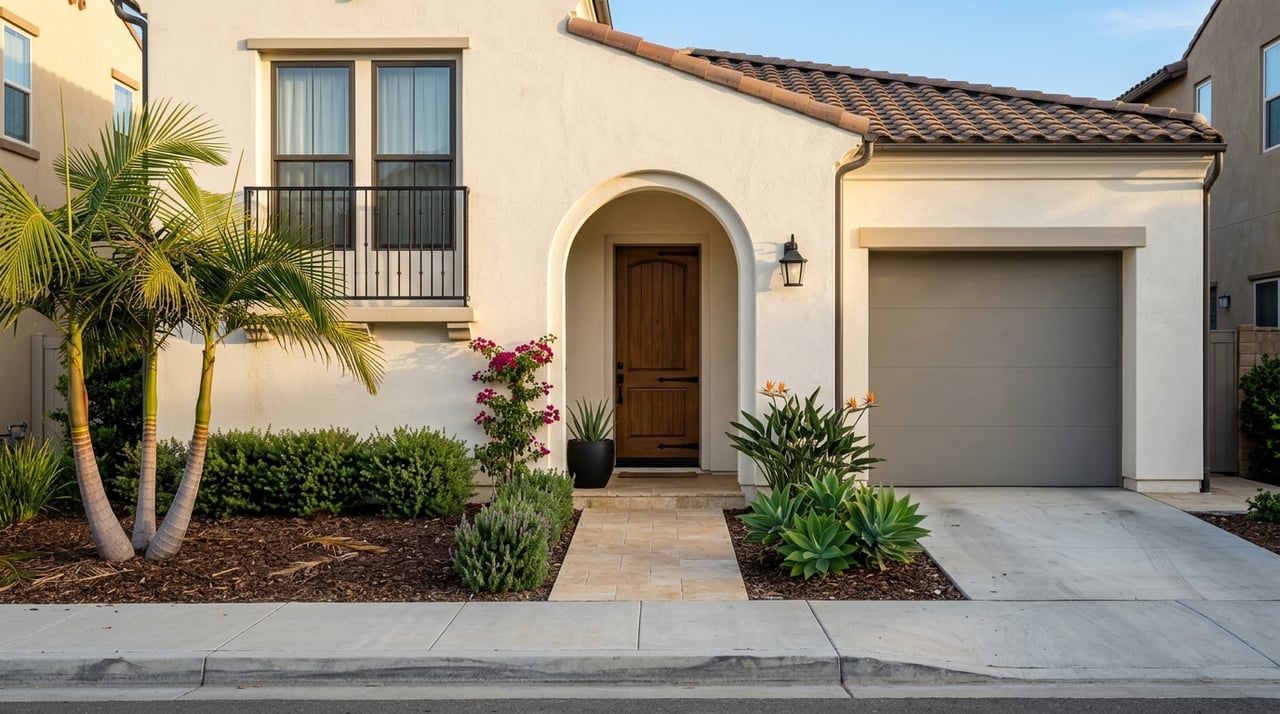
Inland and central Huntington Beach neighborhoods tend to feel more suburban and more dependent on driving. The city’s land-use framework includes traditional detached homes, zero-lot-line developments, mobile home parks, ADUs, duplexes, townhomes, and garden apartments across lower- and medium-density areas.
If you want a more residential rhythm with easier parking and a greater chance of detached housing, inland neighborhoods may feel like a better fit. These areas are less about tourist-season activity and more about established neighborhood patterns.
For many households, that means a more predictable day-to-day routine. You may drive more, but you may also gain space, storage, and a layout that better supports long-term living needs.
Central Areas Offer Civic Amenities
Central Huntington Beach has a strong community-facility presence. City information describes the Senior Center in Central Park as a hub for classes, meals, wellness activities, transportation, and social connection, and the broader park area also includes the library and art center.
That makes Central Park an important inland anchor for daily life. The city also notes that some residential areas near the park retain horse trails, and the Huntington Central Park Equestrian Center remains a recreation resource.
Corridor-Adjacent Living
Some parts of Huntington Beach fall between beach-close energy and suburban inland calm. Areas near commercial corridors like Beach Boulevard and Warner or Brookhurst and Adams often feel more mixed in character, with residential uses sitting near retail centers, larger parking lots, and everyday services.
For some buyers, this is a practical middle ground. You may not get the same beach-adjacent setting as coastal areas or the same quiet residential feel as inland tracts, but you may gain convenient access to errands, commuting routes, and a wider housing mix.
Commuting In Huntington Beach
Huntington Beach is still largely a driving-oriented city. Census data shows a mean travel time to work of 28.4 minutes, and SCAG reported that 79.7% of residents drove alone to work while 67% of households owned two or more vehicles.
Commute patterns also reflect the city’s regional connections. Only 16.4% of residents both lived and worked in Huntington Beach in the SCAG profile, with common work destinations including Irvine, Los Angeles, Santa Ana, Costa Mesa, Newport Beach, Long Beach, Anaheim, Fountain Valley, and Orange.
That matters when you compare neighborhoods. The right area for you may come down to how often you need to get on major corridors, how much traffic you can tolerate, and whether your weekday routine is mostly local or spread across Orange County and beyond.
Transit And Bike Options
Even though Huntington Beach is car-oriented, local transportation options are more robust than some buyers expect. OCTA reports that the city is served by 15 bus routes and 370 stops, along with park-and-ride service at the Goldenwest Transportation Center, seasonal local transit, senior mobility service, and bike-related improvement projects.
The city also points to its mild climate as a reason bicycling works year-round in many parts of the community. Bike and pedestrian routes are part of local movement throughout the planning area, especially for residents who want alternatives for shorter trips.
Outdoor Lifestyle And Tradeoffs
Outdoor access is one of the clearest lifestyle advantages in Huntington Beach. City planning documents describe the shoreline as a setting for surfing, swimming, fishing, jogging, volleyball, trails, boating, and community events.
That is a major reason buyers are drawn to the city in the first place. Even if you live inland, you are still part of a community shaped by parks, trails, and coastal recreation.
Still, location comes with tradeoffs. The city’s hazards planning notes that low-lying shoreline areas can face erosion, storm surge, tidal flooding, and longer-term sea-level rise, so buyers considering waterfront or beach-close property should understand that coastal convenience also comes with environmental planning considerations.
How To Think About Neighborhood Fit
A simple way to think about Huntington Beach is through three broad lifestyle patterns drawn from the city’s land-use and circulation framework. Beach-close and Downtown areas tend to fit buyers who prioritize surf access, walkability, mixed-use convenience, and a denser housing mix.
Inland tracts and Central Park-area neighborhoods tend to fit buyers looking for detached homes, more parking, and a more suburban routine. Corridor-adjacent areas can work well for households that want a middle ground between access, services, and density.
The best choice depends on your real routine, not just the image of coastal living. If you look at how you commute, how often you want to be near the beach, and how much space and parking matter to you, the neighborhood picture gets much clearer.
If you are weighing a move in Huntington Beach or comparing neighborhood options across Orange County, working with an advisor who can connect lifestyle goals to property strategy can make the process far more focused. The FJO Group brings a calm, analytical approach to helping you evaluate location, value, and long-term fit.
FAQs
What is everyday life like in Huntington Beach neighborhoods?
- Everyday life in Huntington Beach varies by location, with beach-close areas feeling more active and walkable, inland neighborhoods feeling more suburban and car-oriented, and corridor-adjacent areas offering a practical middle ground.
What type of housing is common in Huntington Beach?
- Huntington Beach has a varied housing mix that includes detached single-family homes, townhomes, duplexes, apartments, condos, lofts, ADUs, and mixed-use residential settings, depending on the area.
How does commuting work in Huntington Beach?
- Huntington Beach is mainly a driving-oriented city, with many residents commuting to other Orange County and Southern California job centers, though OCTA bus service, park-and-ride options, and bike routes support some trips.
What should buyers know about living near the beach in Huntington Beach?
- Beach-close living can offer easier access to surfing, walking, biking, and shoreline amenities, but it may also come with more weekend traffic, tourist activity, and added coastal environmental considerations.
Are inland Huntington Beach neighborhoods different from coastal areas?
- Yes, inland neighborhoods generally feel more residential and suburban, often with more detached housing, easier parking, and access to community facilities like Central Park.
How can you choose the right Huntington Beach neighborhood?
- The best way to choose is to compare your daily routine, commute needs, preferred housing type, parking expectations, and how important beach access is to your lifestyle.